
From 16 to 20 November 2026, the RePIM consortium came together in Brussels for its first network-wide training module. The five-day programme brought together all 12 RePIM Doctoral Candidates (DCs), their supervisors and other members of the consortium for a week combining project development, academic and transferable skills training, discussion of Public Interest Media (PIM), engagement with media professionals, and collaborative activities.
The training marked an important milestone for RePIM. With all 12 DCs now in position across the network, it was the first opportunity for the full cohort to spend an extended period together and to develop a shared foundation for the research and training activities that will continue over the coming years.
Getting to know RePIM and the MSCA Doctoral Network
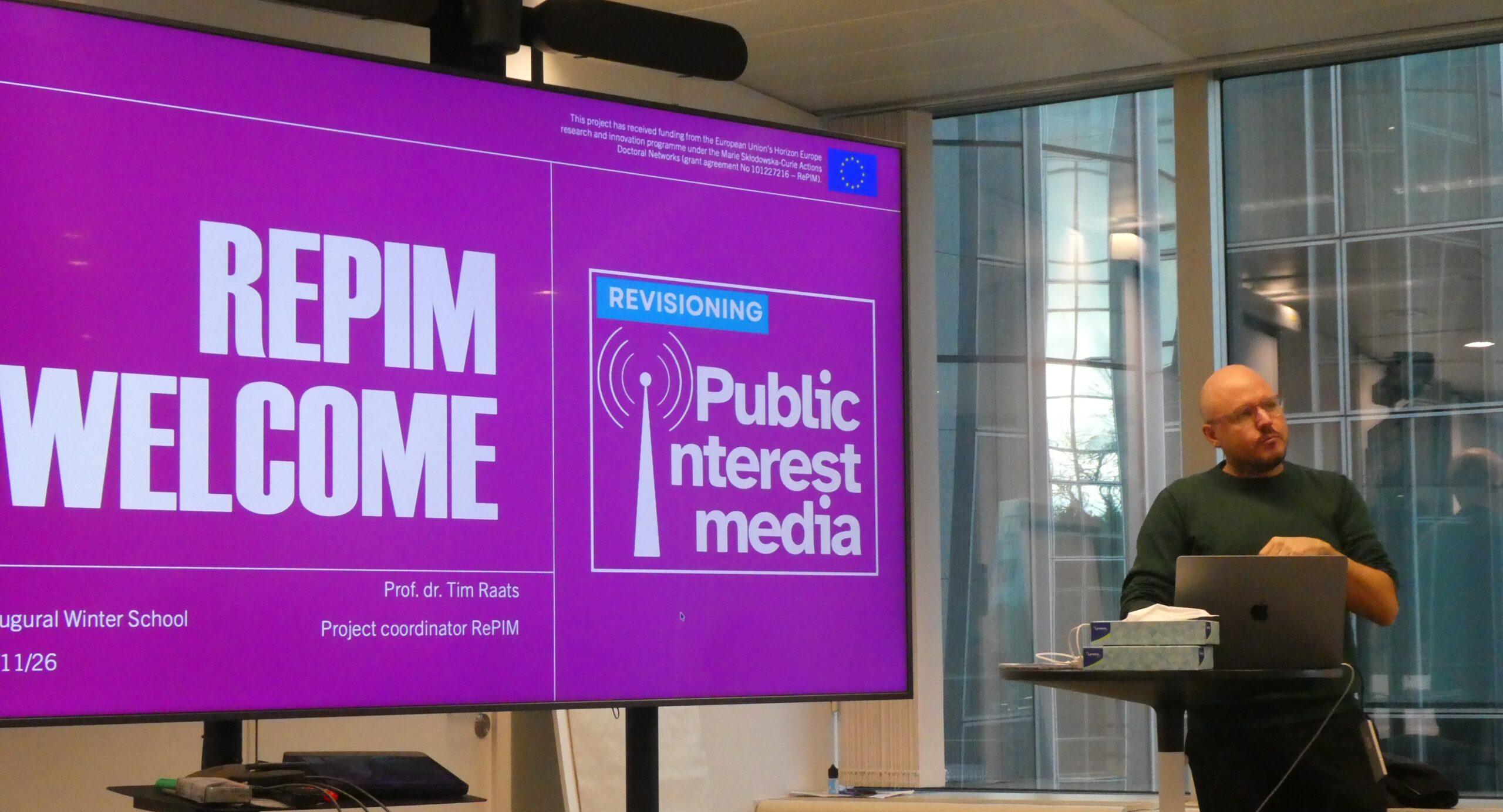
The first day focused on the RePIM network itself and on the framework within which the doctoral projects are being carried out. Sessions introduced the philosophy and objectives of RePIM, its governance and training structure, and key aspects of the Marie Skłodowska-Curie Actions Doctoral Network programme, including reporting requirements and preparations for the project’s future mid-term meeting with the European Research Executive Agency.
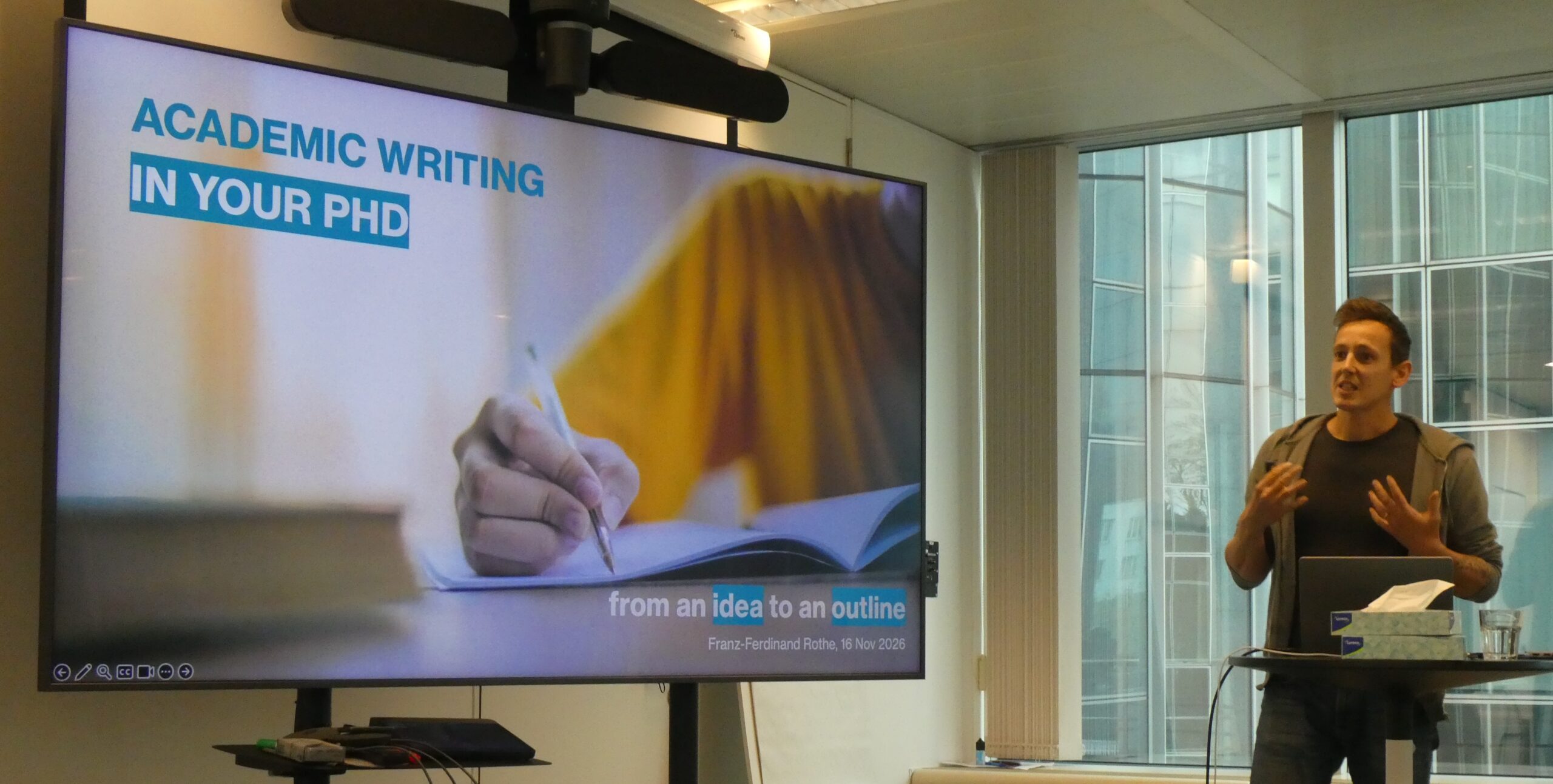
The afternoon turned to academic practice, with sessions by Franz-Ferdinand Rothe (VUB) and RePIM coordiantor Tim Raats on the ins and outs of academic writing. The day concluded with time for DCs to arrange individual meetings with supervisors, co-supervisors and colleagues, followed by a network dinner.
Putting the doctoral projects at the centre
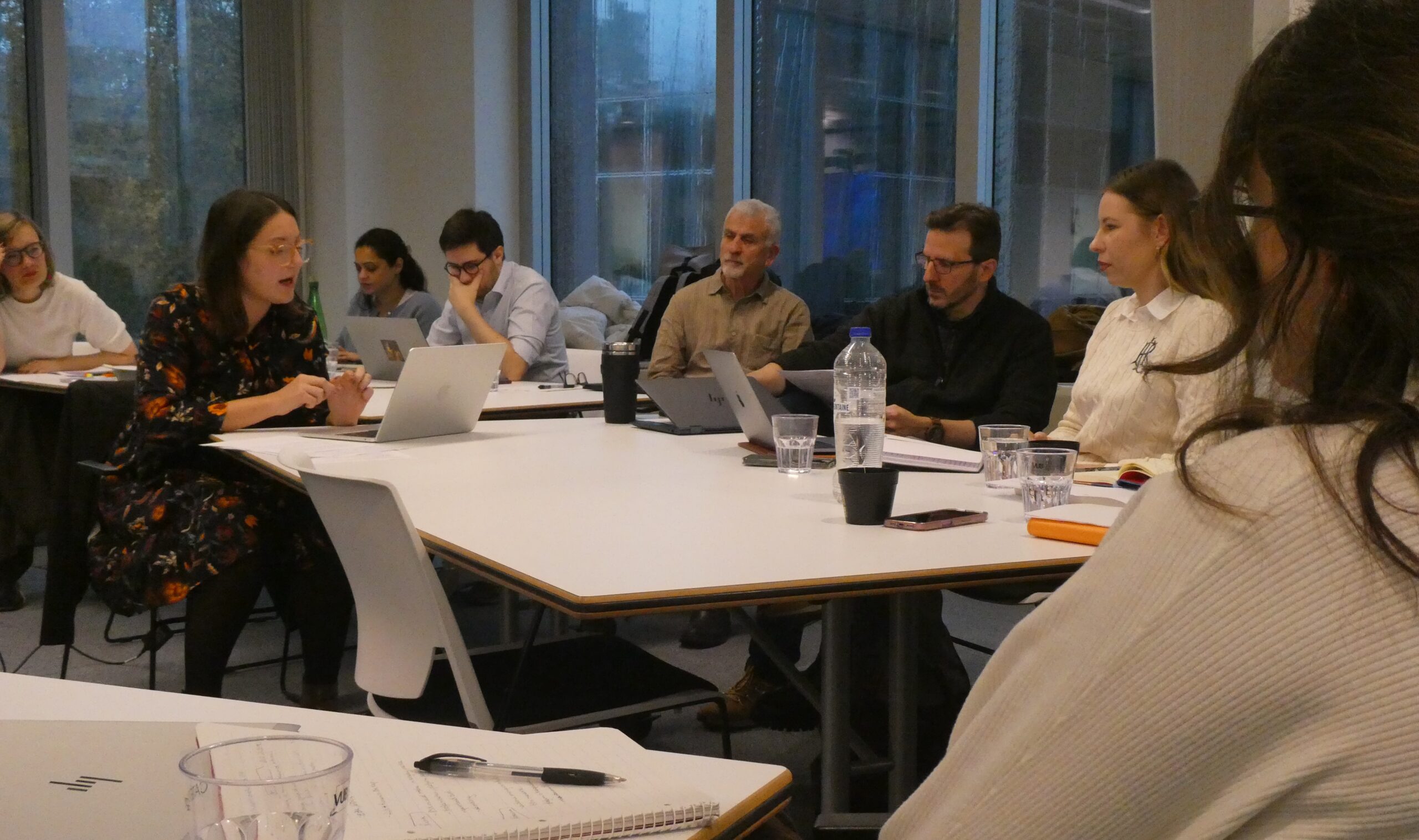
Tuesday was dedicated to the 12 individual PhD projects. Taking inspiration from a traditional doctoral summer school, each DC prepared a five-page description of their project and identified a number of questions on which they wanted advice or alternative perspectives.
During three PhD “carousel” sessions, each project was introduced briefly before receiving feedback from both another DC and a senior academic discussant. The format created space not only for individual feedback but also for the wider group to identify connections between projects and share expertise across the network.
In the afternoon, the DCs took part in a session on data management, FAIR principles and Open Science led by Simon Delaere (VUB).
Building a common foundation around Public Interest Media
Wednesday’s programme focused on a central question for the network: what do we mean by Public Interest Media, and how is it changing?
The morning brought together different perspectives on the origins, values and models of public service and public interest media. Contributions by RePIM senior researchers Tim Raats, Petr Szczepanik, Jannick Sørensen, Josef Trappel, Raul Ferrer-Conill and Ulrike Rohn addressed topics including the transition from public service broadcasting to public service media, comparative perspectives on PIM, financing and the European Media Freedom Act, resilience, and the position of PIM in future media markets.
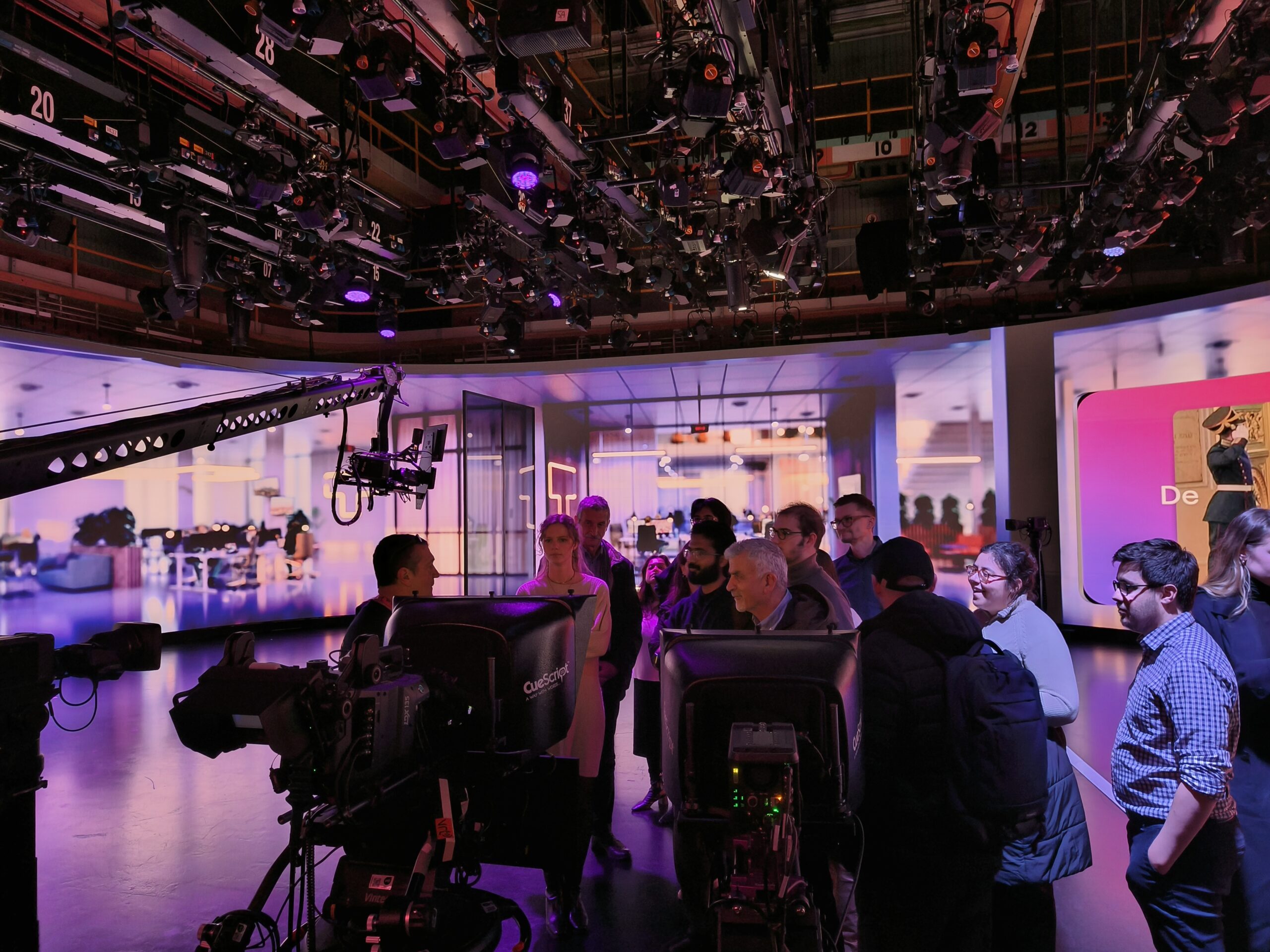
In the afternoon, the group travelled to VRT, the Flemish public service media organisation, to connect these discussions with current industry practice. Three presentations examined different aspects of VRT’s ongoing transformation. Karen Donders (Director of Public Value, Talent and Organisation) discussed Changing public service media: Priorities, pitfalls and learnings. Ruth Degraeve (Manager VRT MAX) addressed Distribution in an international media ecosystem: Own and third-party platforms, while Nickias Pauwels (Head of Media Intelligence) focused on Under-served audiences: For whom do we need to step up? The programme concluded with a tour of VRT, giving the DCs, but also interested supervisors, an opportunity to see the organisation and its operations first-hand.
Looking towards the future of PIM
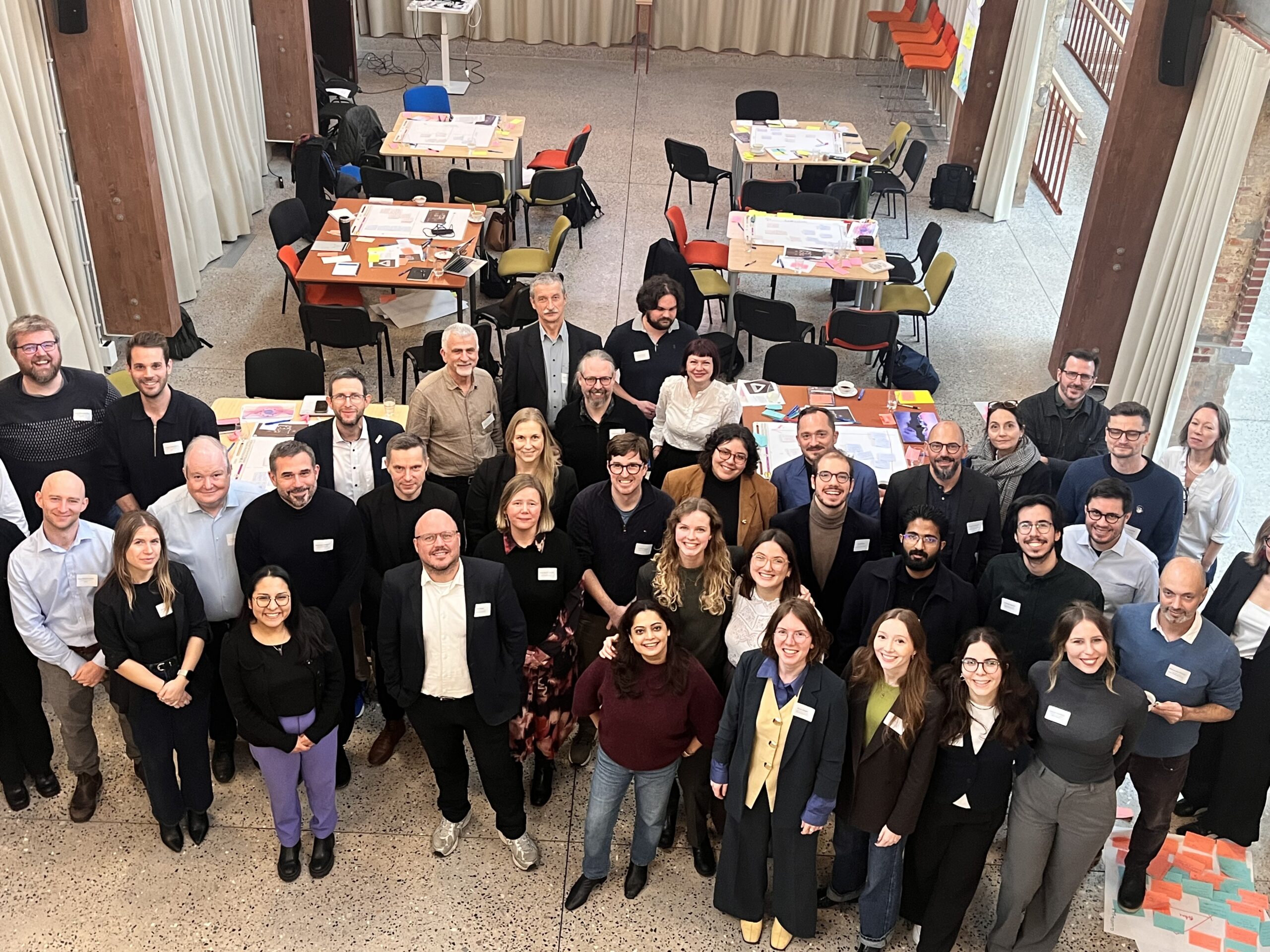
Thursday expanded the conversation beyond the consortium through the first RePIM Industry Day. Around 45 participants from academia, public media, regulatory and civil-society organisations came together at VUB USquare for a full-day futures exercise facilitated by the Copenhagen Institute for Futures Studies.
Rather than trying to predict a single future for Public Interest Media, participants examined the assumptions that currently shape thinking about the sector and explored the trends and uncertainties that may challenge them. The Industry Day forms part of a longer foresight and scenario-building track within RePIM and will be followed up during later stages of the project.
From individual projects to a connected research network
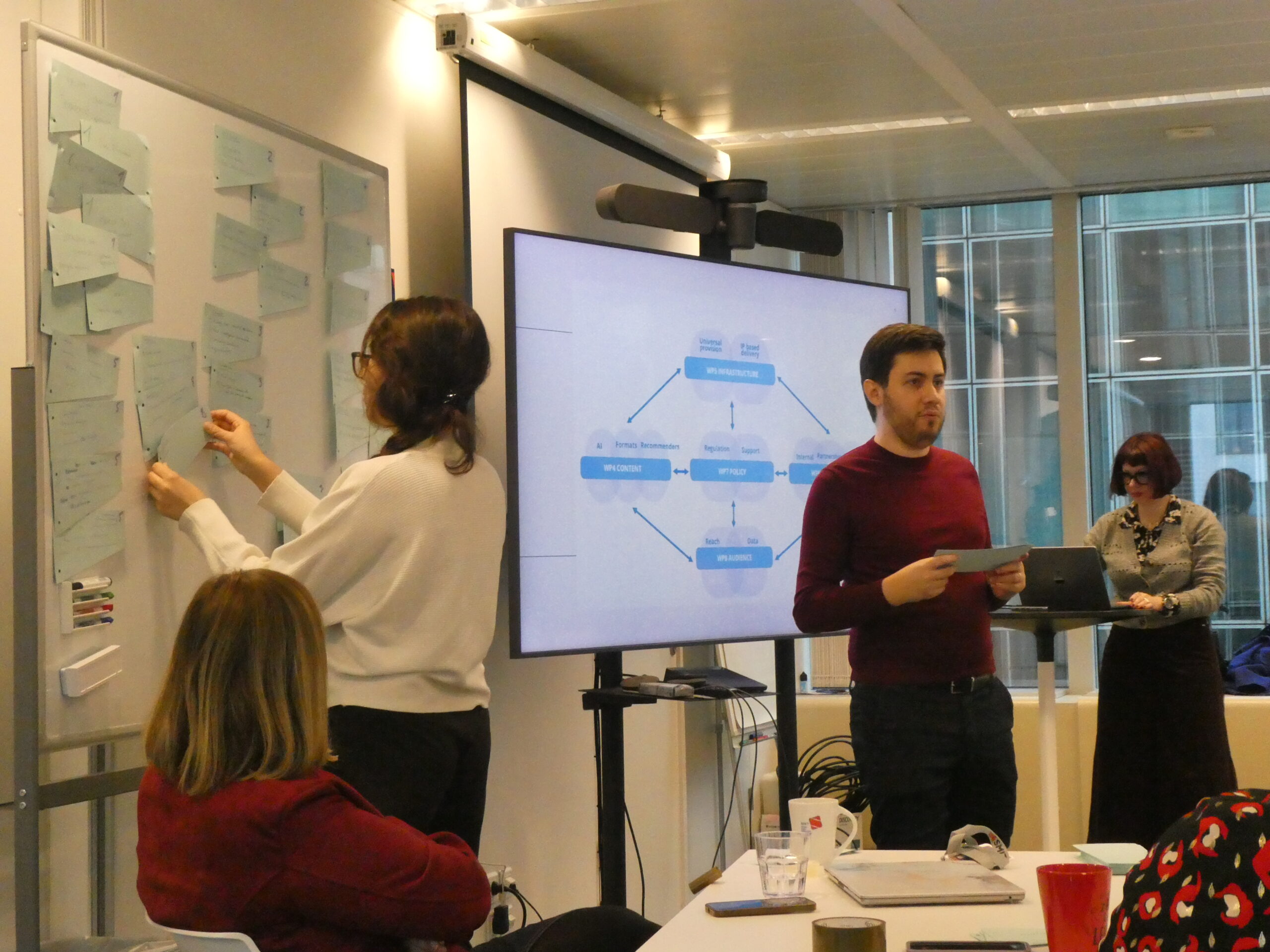
The final day returned to the doctoral projects, but from a network perspective. DCs and supervisors worked together to remap the connections between the 12 projects, starting from the relationships originally envisaged in the RePIM proposal and asking what had changed now that the projects were taking shape. The exercise identified emerging connections across topics, concepts, methods and potential comparative research, including links that cut across the project’s formal Work Package structure.
After a collective wrap-up and a look ahead to the next RePIM training module, the week ended with an afternoon in Brussels city centre and a team-building activity.
Across the five days, the first RePIM training module combined intensive doctoral training with opportunities for exchange across disciplines, institutions and sectors. Just as importantly, it provided the 12 DCs with the opportunity to begin building the research community that will underpin the network over the coming years.